Summary
Type: Videogame
Acquirable: Xbox One and itch.io
My Role: Independant
Time Frame: 2 Months Part-Time (60 hours)
Overview
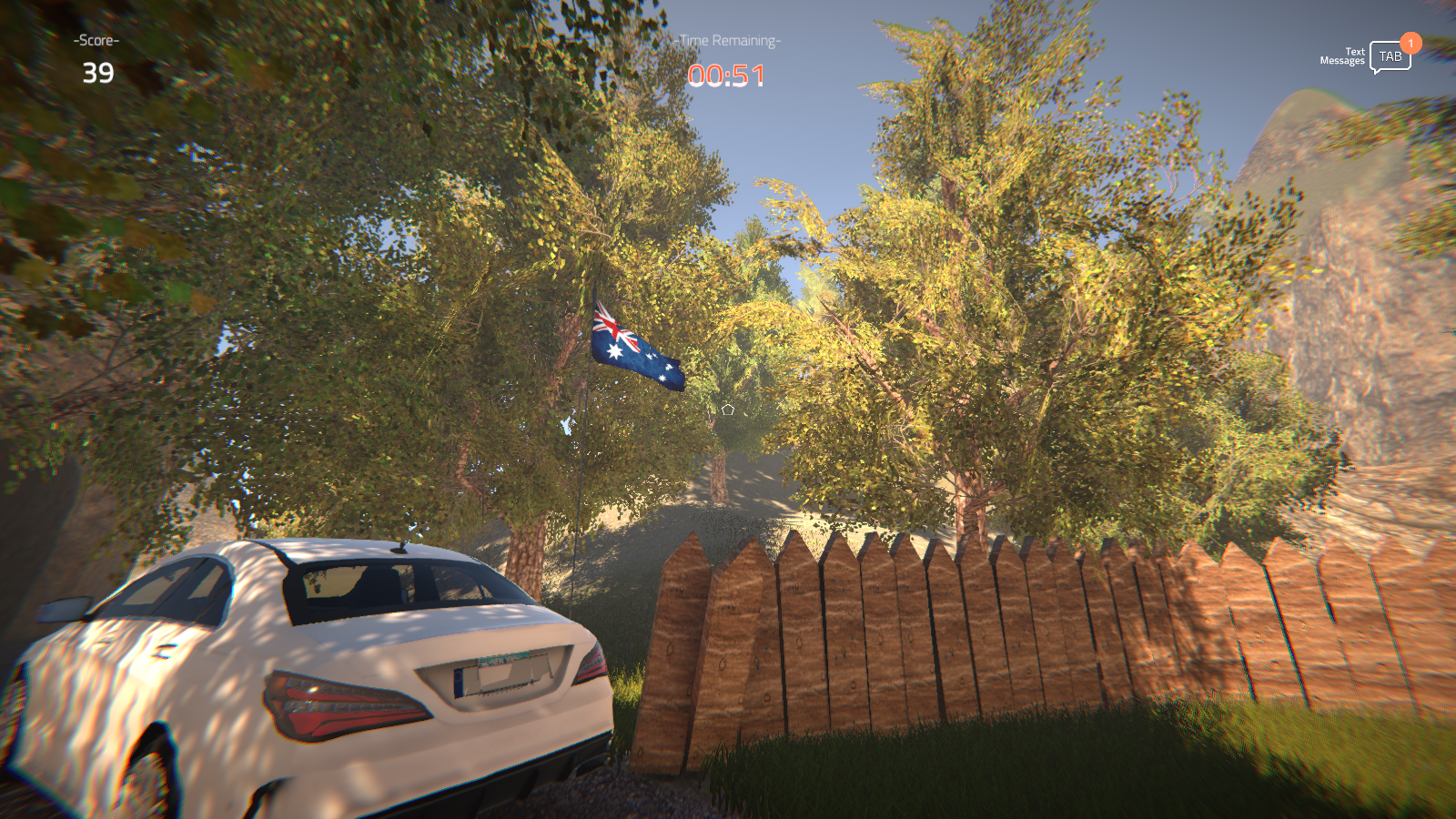
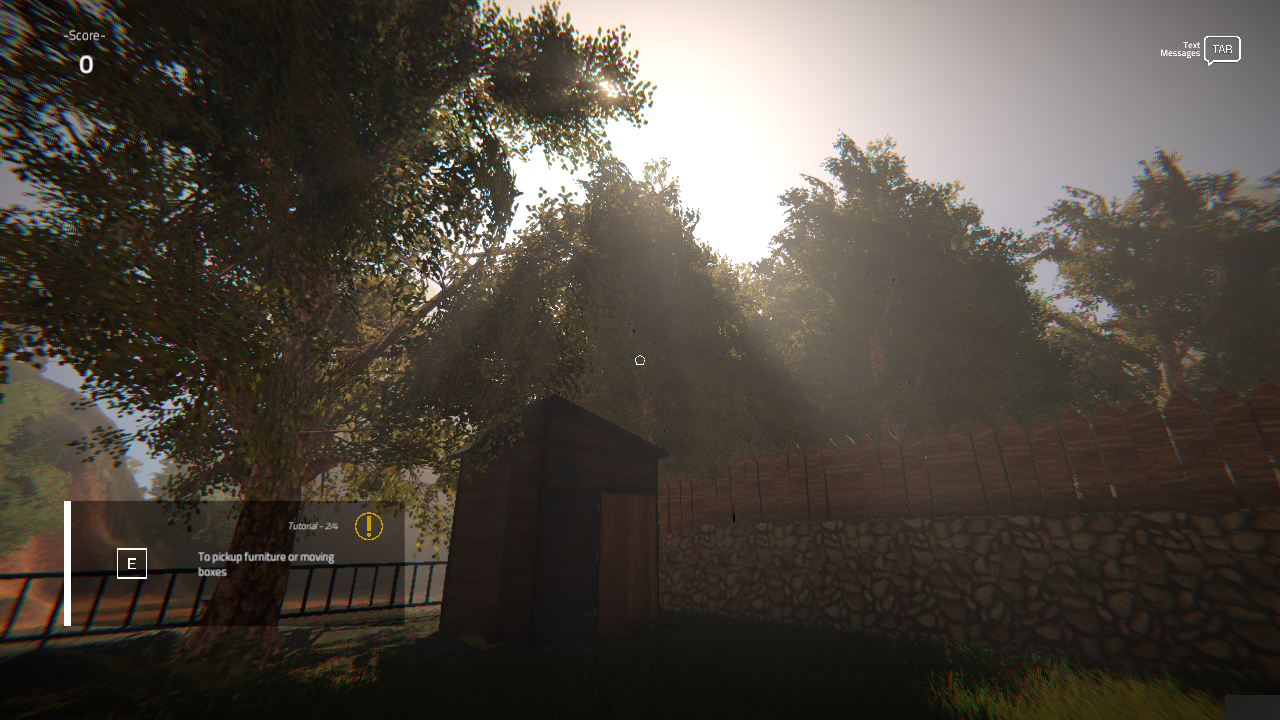
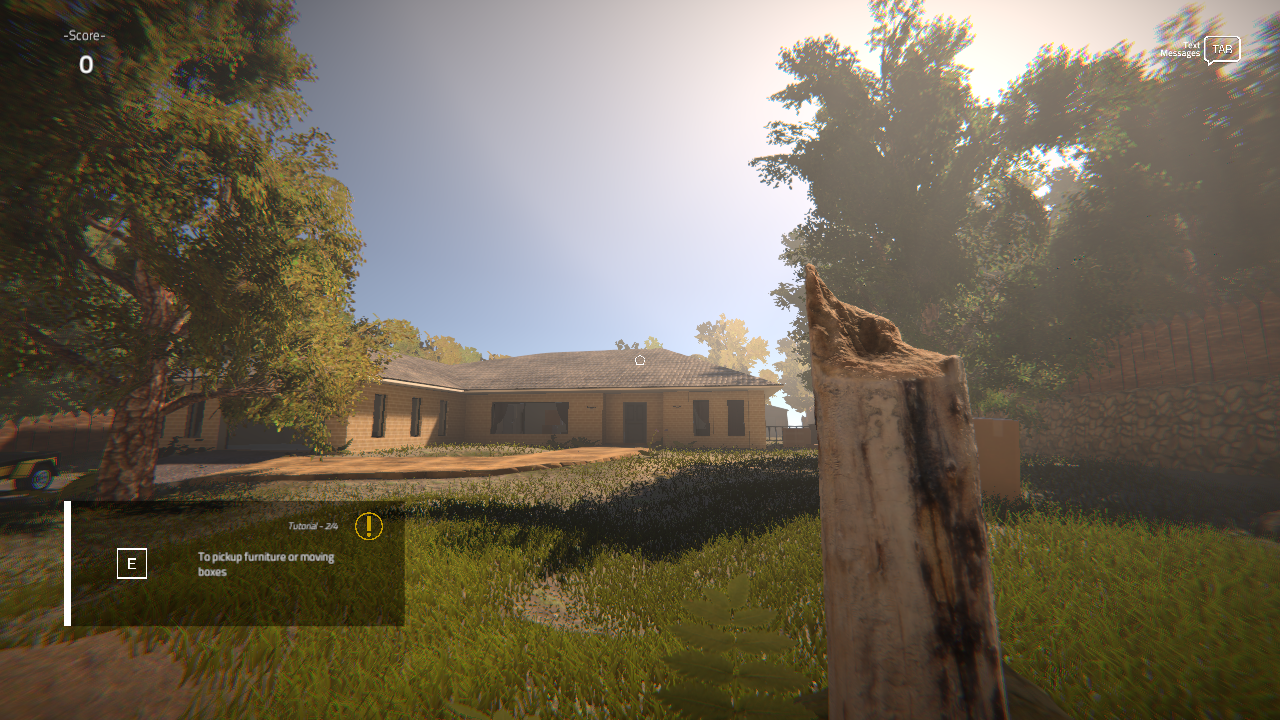
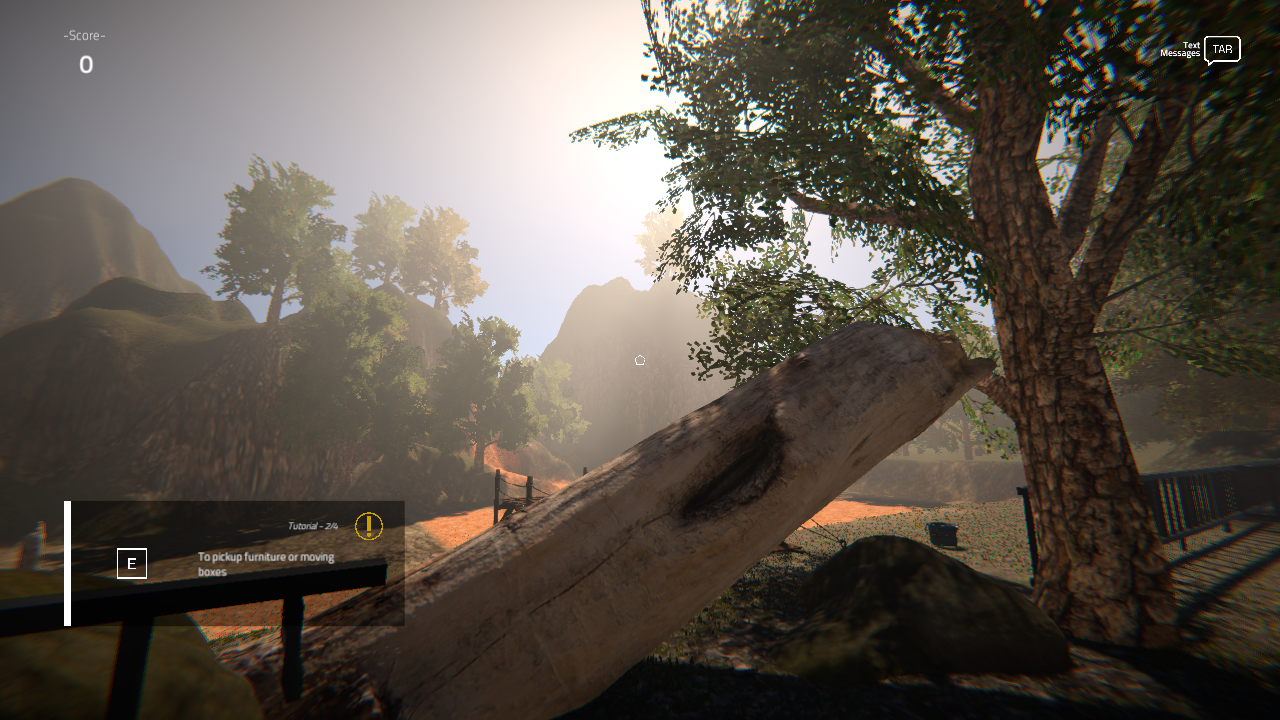
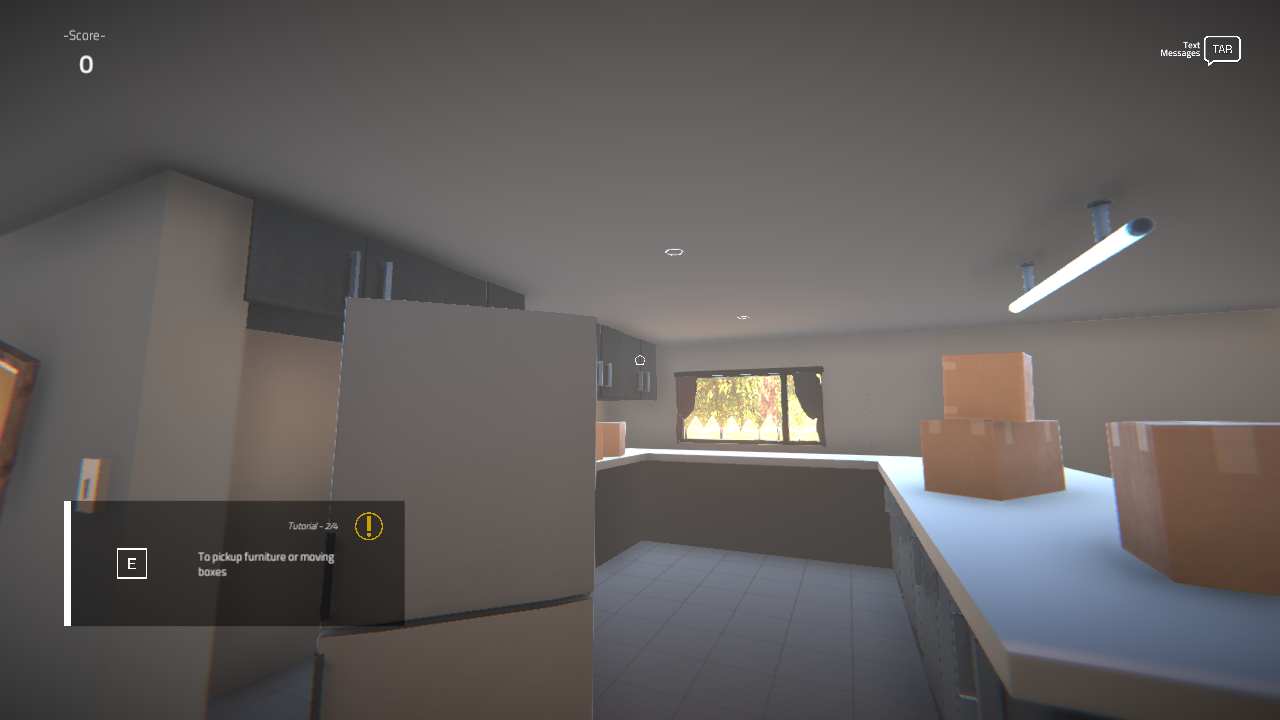
Evicted is a time-based physics game built in Unity and released through the Xbox Windows Store. I worked as both the game designer and programmer. The project explores fast-paced item management and spatial optimisation under time pressure. The player has just been evicted and must throw everything from their home into a trailer before the timer runs out.
The game was developed over two months, totalling around sixty hours of work. This project marked my first release on Xbox platforms, which required optimisation within the limited hardware resources available to Windows Store builds.
Design Concept
Evicted focuses on quick decision-making and efficient movement. Players must throw as many household items as possible into their trailer before time expires. Each object’s value is determined by its distance from the trailer: items retrieved from deeper inside the house are worth more points.
The design encourages learning through repetition. Players naturally improve by recognising efficient routes and optimising movement patterns. The game’s layout and scoring system were designed to promote mastery rather than simple completion.
Level Design And Iteration
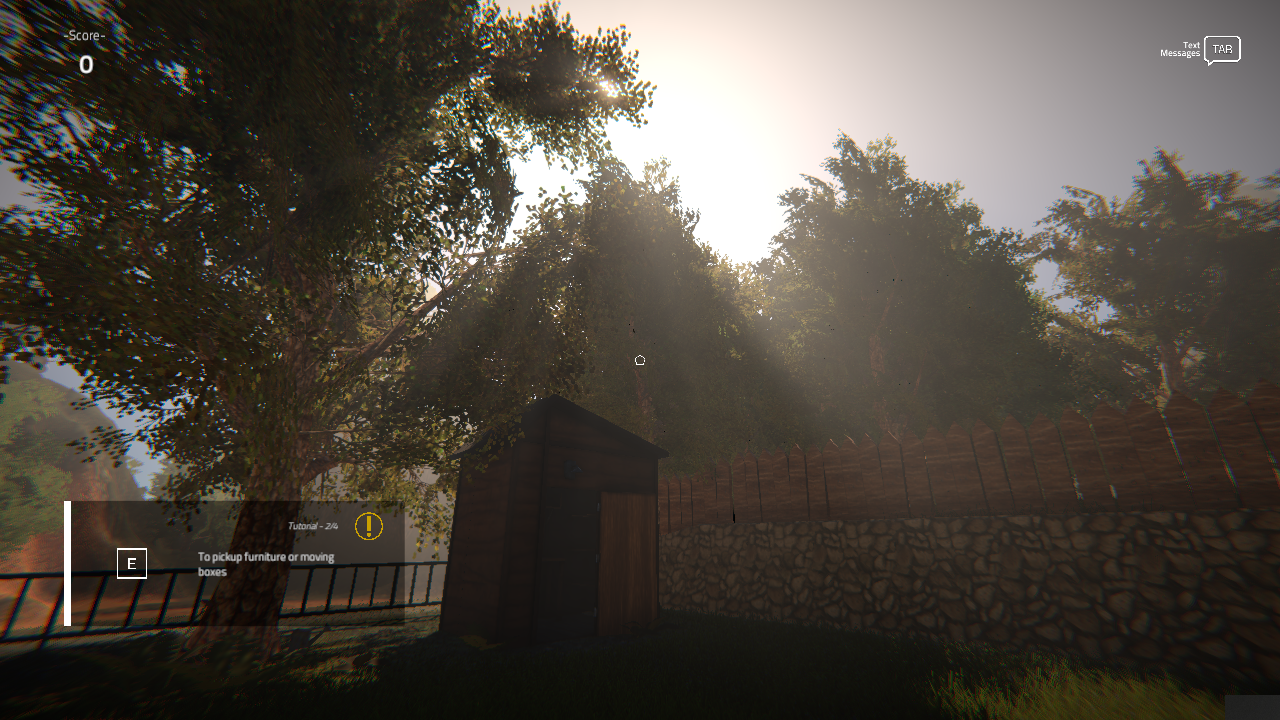
Due to time constraints, the level went through a single iteration. Initially, items were thrown into a large box placed in the centre of the house. This layout made high-value items too time-consuming to collect and caused imbalance in scoring.
To fix this, I moved the drop-off point outside the house. The new design created clearer player flow, allowed easier access to interior rooms, and encouraged players to plan efficient paths from far rooms to the front yard. Over multiple runs, players improved through pattern recognition rather than relying on random luck.

First level iteration

Second level iteration
Retention Design
To keep players replaying, I implemented a session-based score multiplier. Each time a player restarted the game, their score multiplier slightly increased. This rewarded persistence and gave players a reason to immediately try again, even after a poor performance.
The system created a positive feedback loop where progress felt continuous, encouraging friendly competition and self-improvement between runs.
Production Approach
While small, Evicted was built with a focus on rapid iteration and clear testing. I prioritised greyboxing for most of development, allowing quick layout adjustments without being slowed down by art integration. This made it easier to balance level scale and object placement while keeping the gameplay readable.

Early grey box
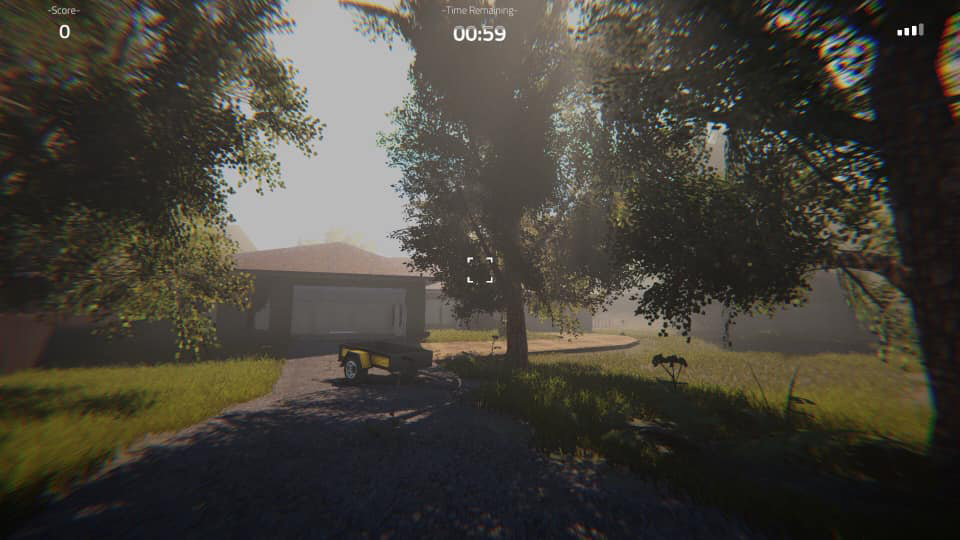
Final art pass
What I Would Do Next Time
If I revisited Evicted, I would introduce a goal item — a high-value keepsake that changes each run. This would give players an extra incentive to vary their routes and reduce the risk of an optimal path becoming dominant.
Why This Shows My Design Strengths
Evicted demonstrates my ability to:
• Design and implement gameplay systems that encourage replayability
• Balance level flow and scoring for short, skill-based sessions
• Optimise for platform limitations while maintaining responsiveness
• Build complete projects efficiently under tight timeframes
• Combine design thinking with technical implementation
It represents a small but complete production that connects strong design intent with clear execution.