Summary
Type: Professional Experience
Completed: Released
Acquirable: Apple Devices (Apple Arcade)
My Role: UI Programmer
Studio: Gameloft (Brisbane)
Time at the studio: November 2021 - March 2024
Overview
I contributed to this Apple Arcade title as a UI Programmer focused on extending and maintaining the existing UI systems during ongoing content updates. Unlike projects where I built systems from the ground up, my work here centred on iterating on established frameworks, improving usability through Blueprint logic, and supporting design goals around player retention and content clarity.
My responsibilities were heavily tied to technical design problem-solving: understanding the intention behind new features, integrating them into the existing UI architecture, and ensuring they functioned cleanly on iPhone and iPad through both touch and controller inputs.
Audience & Platform Context
This title targeted a wide Apple Arcade audience:
• Players expecting premium, ad-free mobile games
• Younger and family-friendly demographics
• Short to medium session play
• Device diversity (iPhone, iPad, different aspect ratios)
This meant UI behaviours had to be:
• Immediate and predictable
• Readable at a glance
• Lightweight and performant
• Consistent across screen sizes
• Take into account right to left languages
• Have gamepad support
The work I delivered supported these expectations rather than redefining them.

My Role
I did not create UX layouts or UI art.
Instead, my contribution was technical and design-supportive:
Instead, my contribution was technical and design-supportive:
• Implementing new UI behaviour on top of the existing system
• Integrating new gameplay features into established flows
• Ensuring interaction logic remained consistent with original UX intent
• Identifying friction points or regressions during content updates
• Helping designers test and refine new feature behaviours
• Maintaining system stability and platform-specific edge cases
This work sits naturally within Technical Design, where the focus is on supporting systemic features through reliable implementation.
Key Contributions
Extending Existing Blueprint UI Systems
I built on top of the existing UI architecture by:
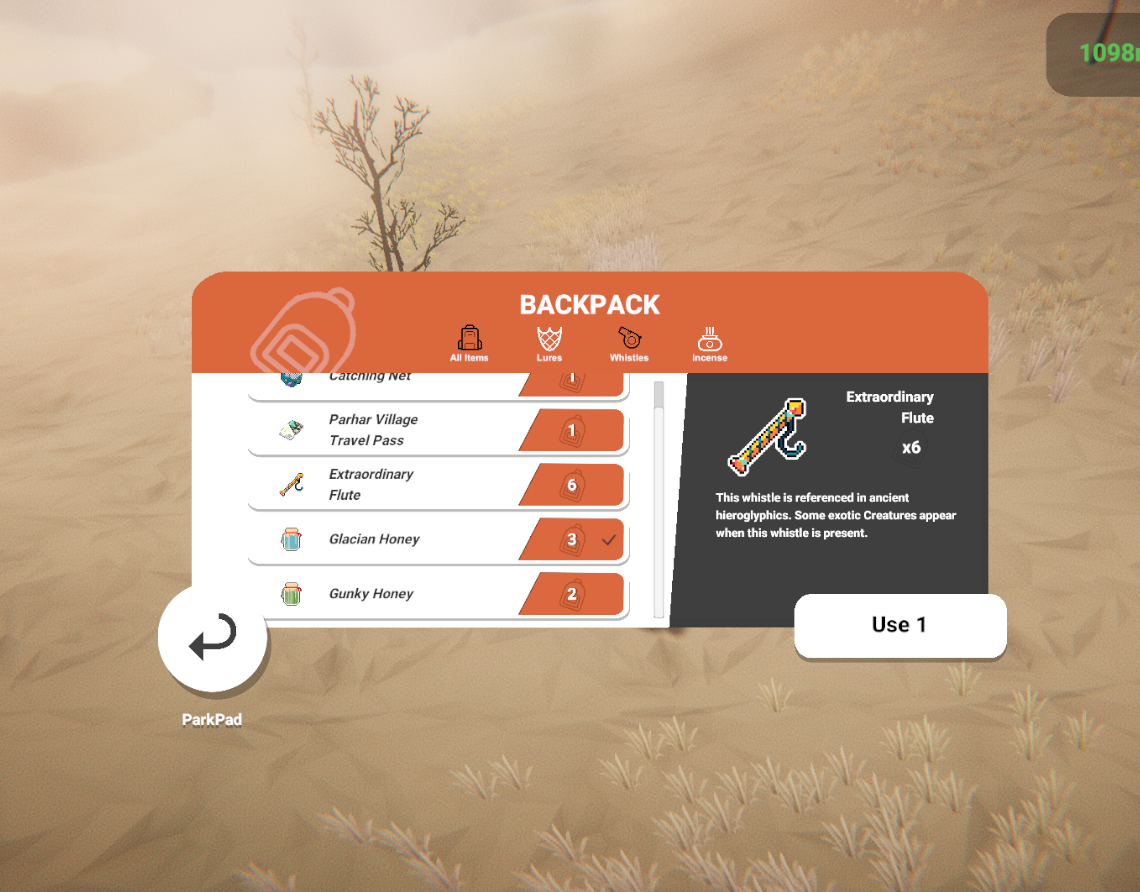
• Adding new screens, options, and behaviour for content updates
• Adjusting navigation rules for new features
• Updating existing widgets to support new states or rewards
• Ensuring backward compatibility and consistency
This required careful understanding of the original system to avoid regressions.
Supporting Player Retention Features
Many updates were designed to keep players returning, such as:
• New progression elements
• Daily/weekly content
• New feature onboarding
• Updated menus and context screens
I implemented the underlying UI behaviours that made these features feel integrated rather than bolted on.
Touch & Controller Behaviour for Apple Arcade
Because this was Apple Arcade–exclusive, I validated:
• Touch interaction accuracy
• Responsiveness across multiple device sizes
• Correct behaviour on connected controllers
• Transitions and animations that needed to feel consistent
This ensured players had a smooth premium experience regardless of their device.
Team Collaboration Across Disciplines
I worked closely with:
• UI artists, accurately implementing new visual elements
• Designers, clarifying intended feature interactions
• Gameplay programmers, syncing UI to game-state changes
• QA, resolving edge cases introduced by new content
This collaboration ensured new updates felt cohesive with the existing game.
What I Delivered
• New UI behaviours and screens for ongoing content updates
• Added states, transitions and logic on top of the existing framework
• Touch and controller input integration for new features
• Technical improvements that reduced designer friction
• Stable updates that maintained consistency with the original UX flow
• Blueprint components used to support new content additions
Why This Shows My Design Strengths
Even though my role was focused on implementation, it required design-aligned thinking, including:
• Respecting original UX design while integrating new features
• Understanding player expectations and retention goals
• Solving systemic problems introduced by new content
• Interpreting feature intentions and implementing logic that supported them
• Ensuring clarity, consistency and player pacing
This experience strengthened my ability as a Technical Designer who can extend, maintain and refine existing systems — a crucial skill for live games and large production environments.